MAT REPAIR
Best practices.
A practical guide to identifying the best candidates for mat repair and preparing a shipment for NuMat remanufacturing.


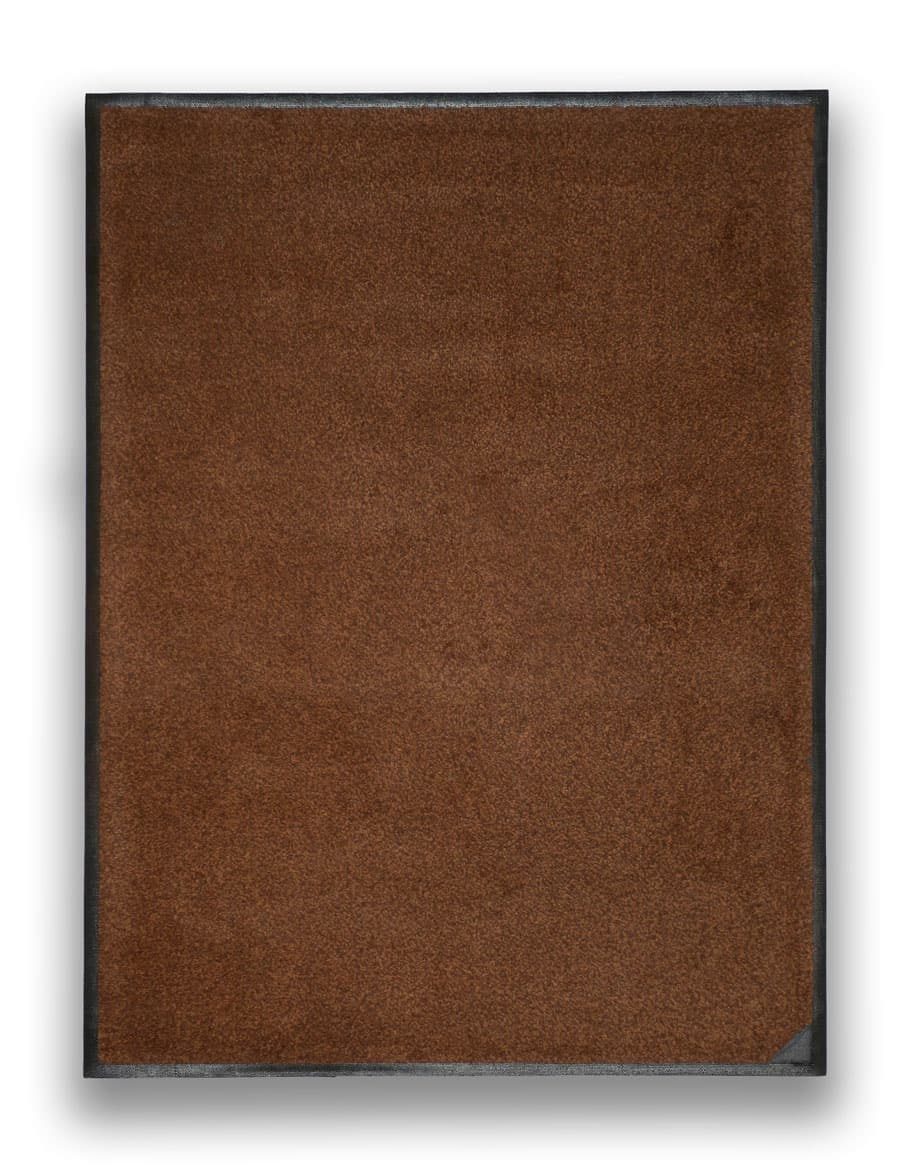
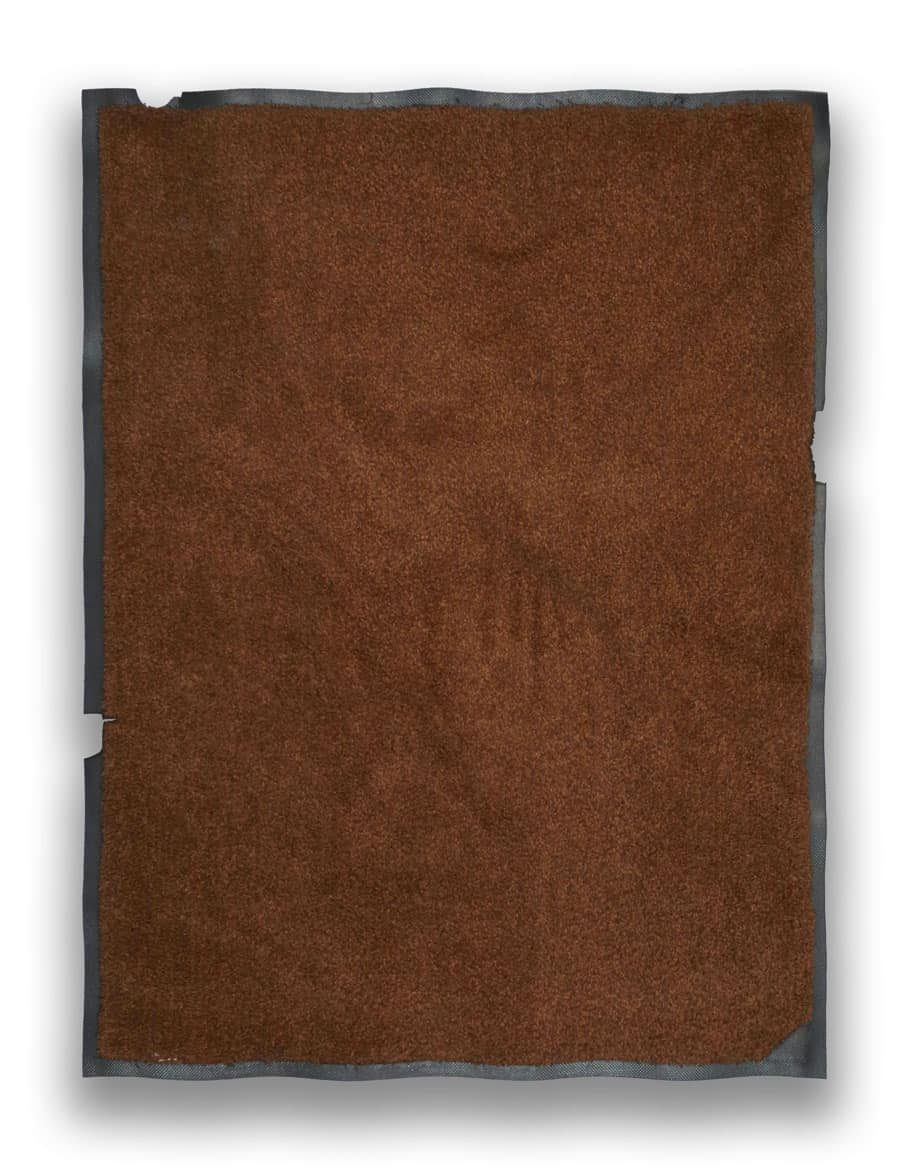
01 / BEST PRACTICESRepair decisions,
Repair decisions,
made simple.
MODULE 01
Why repair?
Because repairing mats saves money and prevents unnecessary waste.
$Save moneyRepair useful inventory instead of replacing it unnecessarily.
↓Prevent wasteKeep repairable mats and usable material out of the waste stream.
↻Keep mats workingReturn renewed mats to route inventory for continued service.
02 / FIELD CHECK
Can we fix it?
GOOD CANDIDATES
Send it
Border wearREPAIRWorn or damaged borders can be replaced.
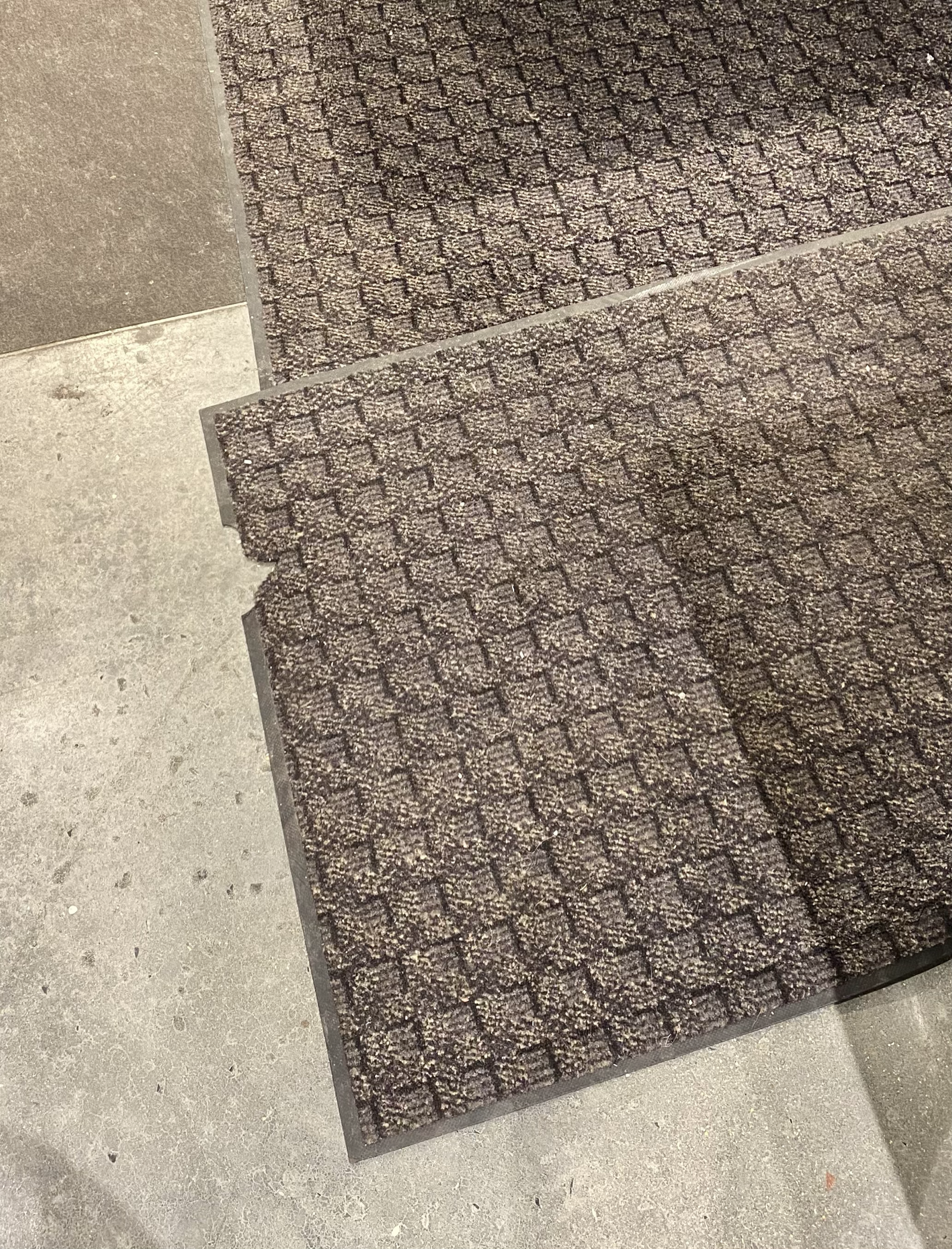
Slit or tearREPAIRInterior slits and tears can be permanently repaired.
Rippled rubberREPAIRNuMat's proprietary process permanently repairs rippling.
Large damaged matRESIZESalvage a smaller trade size when the damaged area cannot be repaired.
EXCLUDE FROM SHIPMENT
Do NOT Send
×
Scraper matThis mat type cannot be remanufactured.
×
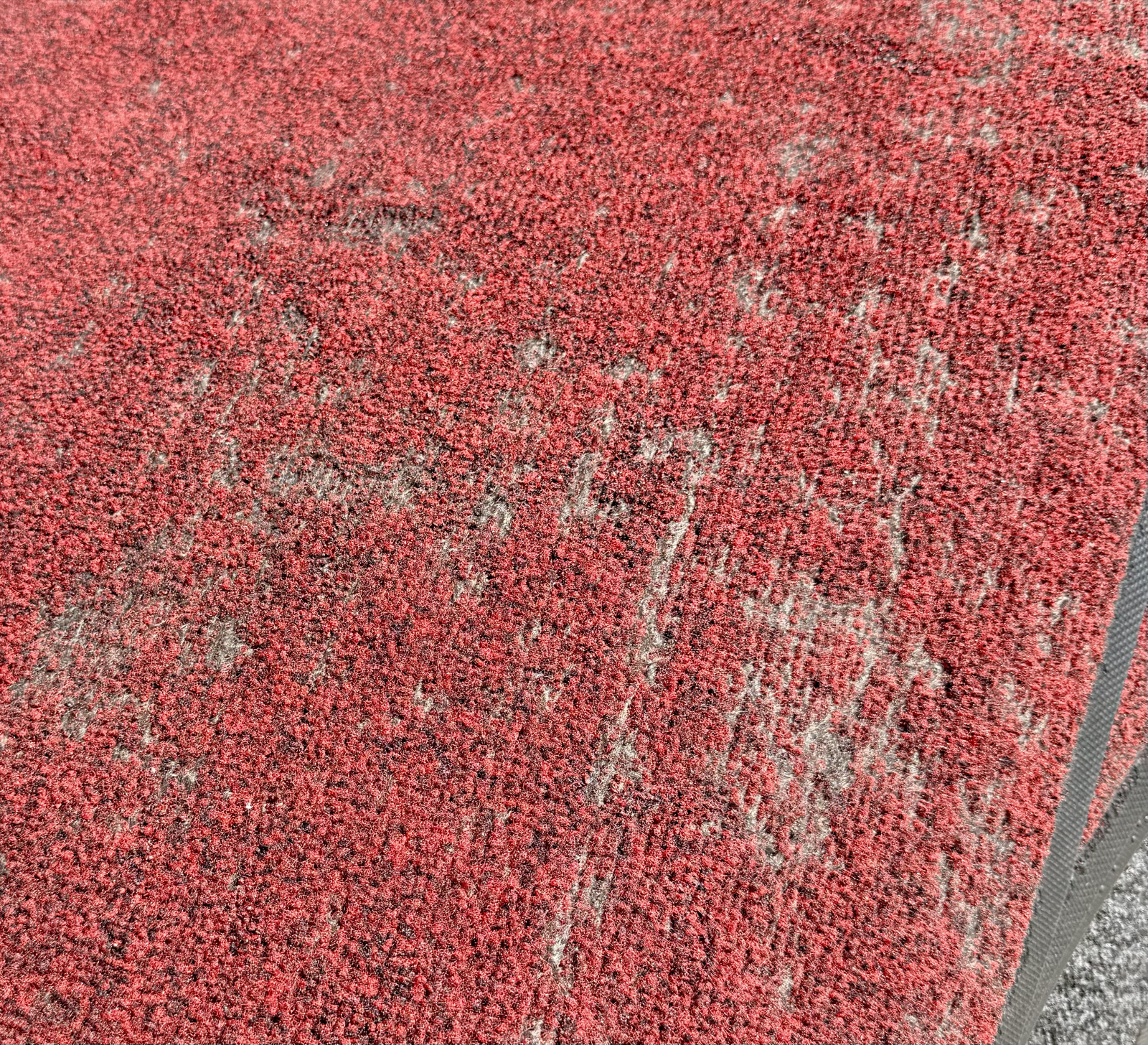
Pile separationTextile-top separation cannot be repaired.
×
Wet or dirtyWash and fully dry before shipping.
?
Low salvage valueAvoid small mats with major interior or textile-top damage.
03 / REPAIR READY CHALLENGETest your understanding
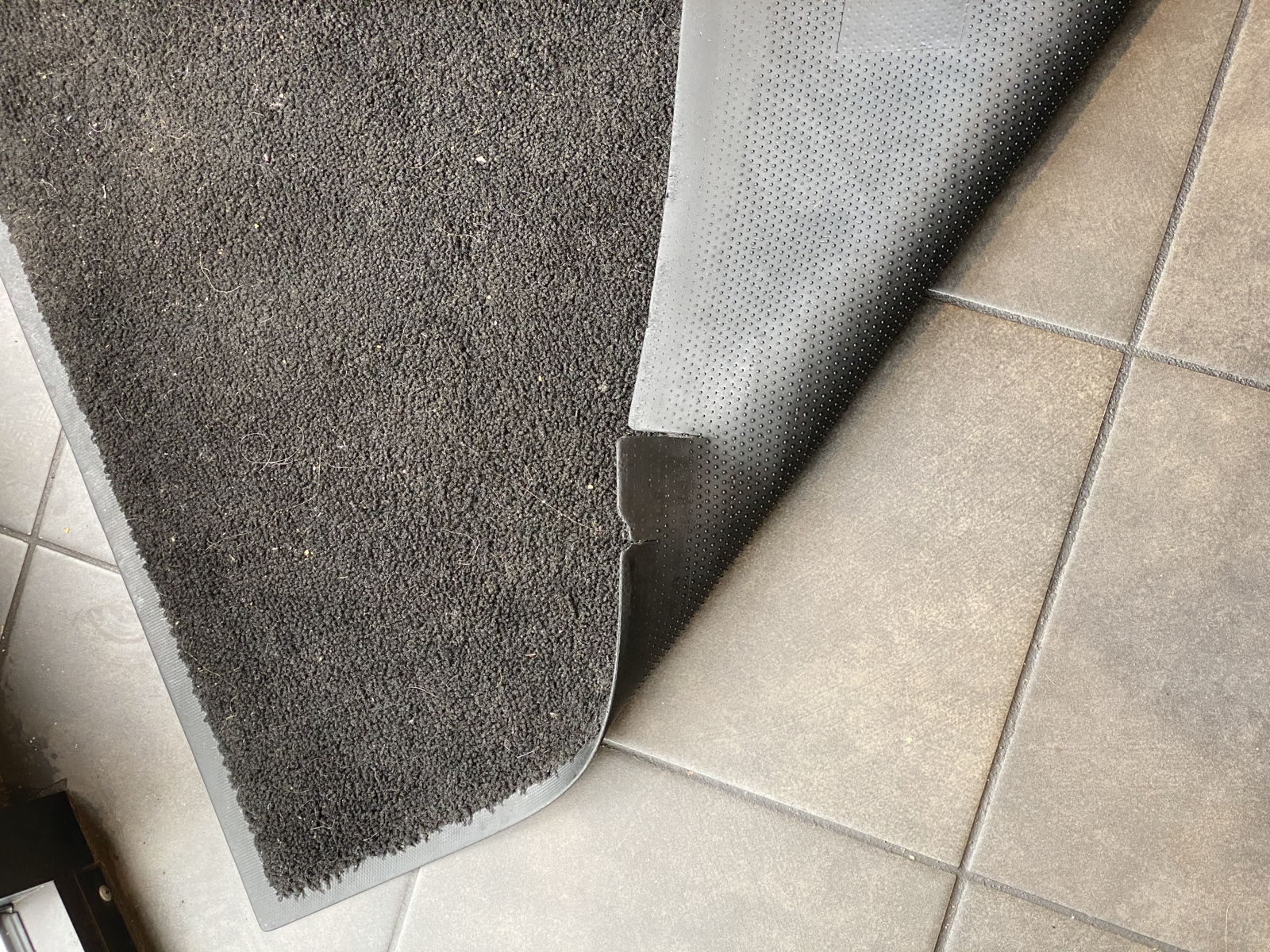
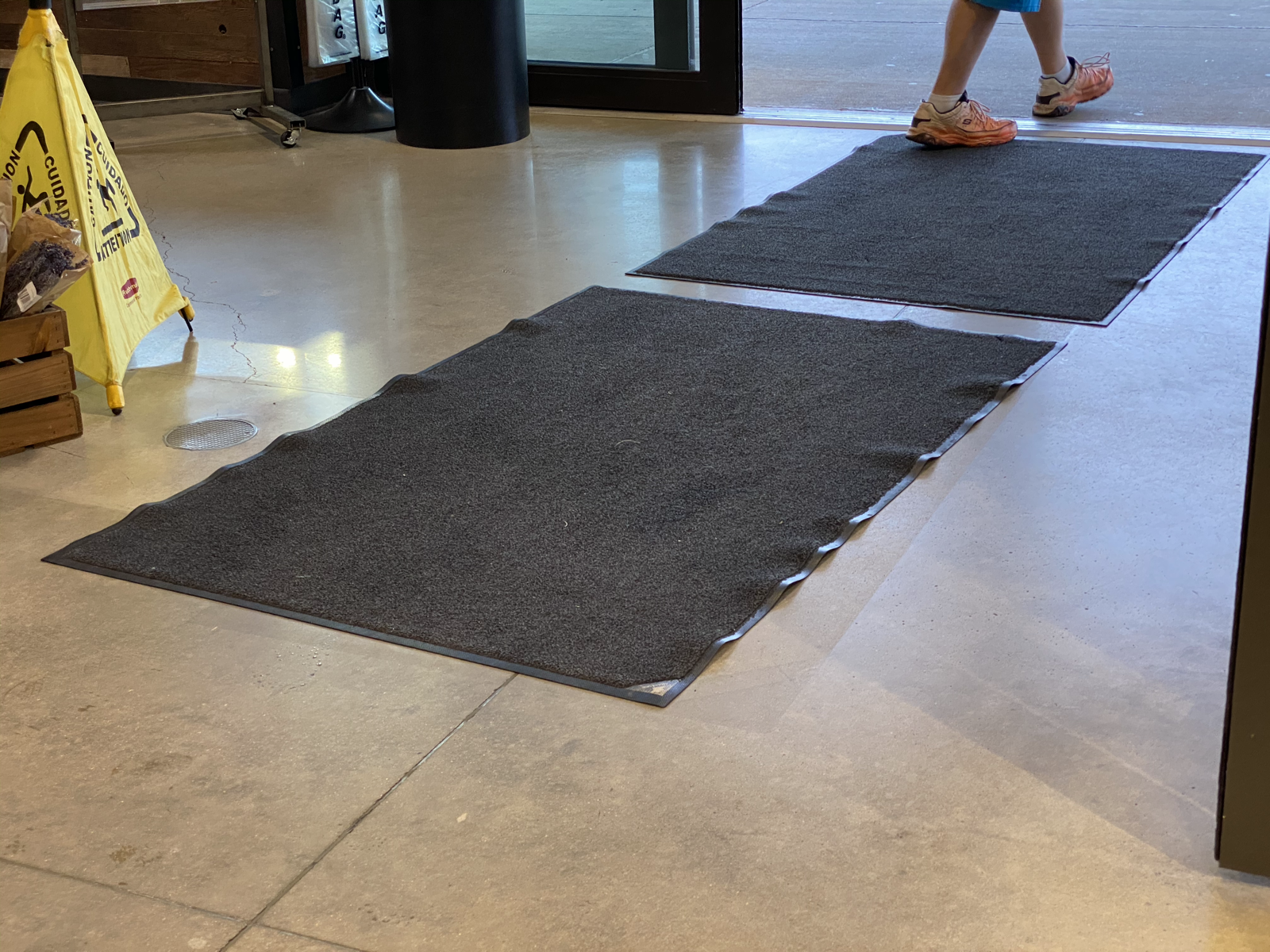
Test your understanding
of mat repair.
Review ten visual examples and choose the right destination for each mat.
Repair Ready
Ten questions to test your knowledge about mat repair. Are you ready to sort?
04 / SHIP SMARTStack and Ship
Stack and Ship
to Save.
FLAT-STACK · DON'T ROLL
- 01Build a dense loadAim for about 100 clean, dry mats per pallet. High-density loads lower freight cost per mat.
- 02Prioritize valueSend high-value, repairable inventory.
- 03Ship on your scheduleThere is no minimum. Larger, less frequent shipments typically optimize freight dollars.